

MYCELIUM MASTERCLASS SERIES
Thursday 29th October
15.00 BST
All Reasonable Steps: Leadership, Conduct and the Duty to Prevent Harm
Reasonable steps is a behavioural bar, not a paperwork one.
.
A working session for senior leaders on what it really takes to prevent harassment and bad behaviour at work - and why the policies, training and reporting lines most organisations rely on don't do it. A new law lands on 30 October 2026, and that's the moment this gets tested.
4.8 stars by 1000 attendees
“The cutting-edge concepts that the team have are testament to their thought leadership around the complexities of workplaces”
— Craig Redihough, Group Wellbeing & BelongingSky Group
“One of the best presentations I have seen on the integration of of human-centric skills”
— Adrienne Pesseler, Director of Leadership Development eBayEbay
“I would highly recommend Mycelium Masterclasses to anyone fortunate to engage with them.”
— Marion Martin, Head of L&DOFGEM
Why this matters now

From 30 October 2026, the law gets stricter.
It won't be enough to take "reasonable steps" to prevent sexual harassment - you'll have to take all reasonable steps, and you'll be on the hook for harassment by customers, clients and contractors too, not just your own staff.
The regulator here is the EHRC, and it's already made employers sign up to formal agreements where they fell short.

Two things make this one bite. There's no ceiling on what a tribunal can award for harassment - and if you didn't do enough to prevent it, they can add up to 25% on top.
And it's personal: it lands on named leaders, not on the HR team.
The HSE, the health-and-safety regulator, already expects employers to treat harmful behaviour at work as a risk to manage, like any other.
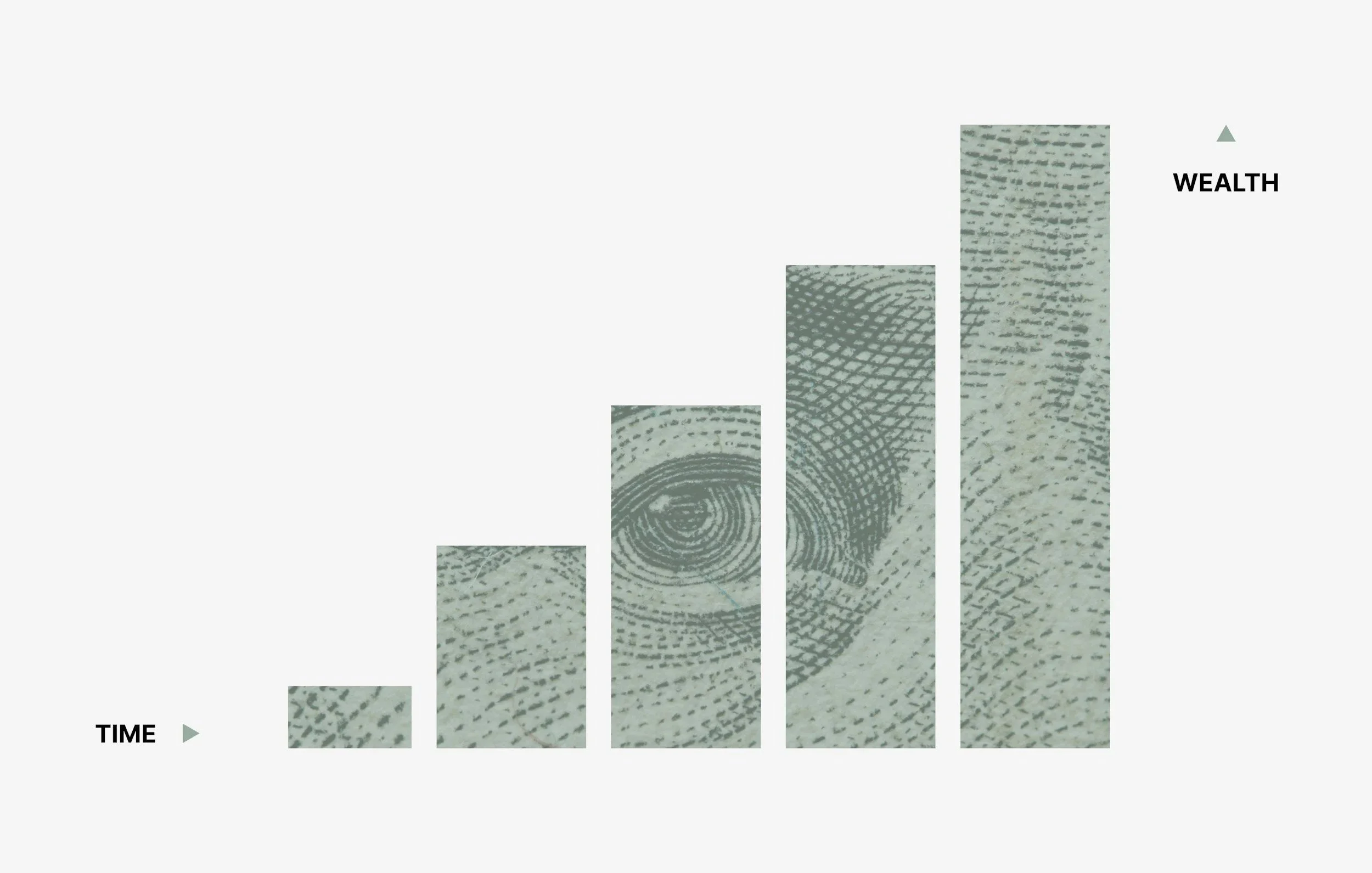
A single case already runs £10,000 to £45,000 before any extra for failing to prevent it, and claims going to tribunal tripled in a single year.
6% of women have left a job because of sexual harassment, and another 7% want to leave but can't afford to.
Factor in the sick days, lost productivity and the hit to your reputation.
The evidence
28% of UK employees experienced conflict or abuse at work in the last year - being humiliated or undermined, shouted at, verbally abused, or treated in a discriminatory way.
- CIPD Good Work Index, 2024
58% of women have experienced harassment, bullying or verbal abuse at work - for women, it's closer to the norm than the exception.
- TUC / Opinium, 2023
Around 30% of women who are sexually harassed at work never report it - most often because they fear they won't be believed, that it'll sour relationships, or that it'll cost them their career.
- TUC, cited Praxis42, 2025


The Reframe
What you think it is: a paperwork problem.
Have the policy, run the compliance training, keep the records, and you've covered yourself.
What it actually is: a behavioural problem.
The real question is how to build the psychosocial conditions that reduce the chance of someone crossing a line.
A workplace where it's safe to speak up early, where managers notice something is off before it escalates, and where if something does need escalating, it moves fast and cleanly.
What this looks like when it goes wrong

What happened: In a 2025 UK enforcement case, a household-name national retailer was found to have failed a young employee who was harassed by a colleague. Store managers didn't know the company even had an anti-harassment policy. No risk assessment had been done. There was no evidence of staff training. And when the employee complained, managers laughed.
The failure point: Every part of that story is a policy on paper with nothing underneath it.
The cost: The tribunal awarded the employee over £50,000. The regulator then named the retailer publicly and required a legally binding agreement — a company-wide staff survey, a two-year retrospective review of complaints, new monitoring of informal reports, and a full overhaul of training and policy, all under regulator oversight. The financial, operational and reputational drag kept arriving long after the tribunal closed.
What this Masterclass will give you
In 60 minutes, you'll leave with a clear diagnosis of why policies and compliance training don't prevent harassment and misconduct at work — and what does
A clear read on how the law is tightening around harassment and misconduct at work — from 30 October, a stricter sexual-harassment duty, up to 25% added to tribunal awards, and new liability for harm by third parties.
A sharper way to see the problem: harassment and bad behaviour at work isn't a gap in your policies — it's a gap in the psychosocial conditions underneath them.
A map of how harm actually gets prevented at work, on two fronts: managers who cultivate a speak-up culture in their teams, and networks that catch what crosses teams.


A clear next step: a tailored diagnostic of your prevention set-up, with a one-page summary you can take to your board.
A private, anonymous read on how well your own organisation prevents harm today — a live self-diagnostic in the room, showing where you're strongest and weakest.
Who it’s for
-
you're the COO, chief people officer, or the senior leader personally on the hook for this — and you're working on it now, with 30 October changes close.
-
you're shopping around comparing suppliers, or you want an HR policy template. This is a senior, operational conversation, not an HR one.
-
not the final decision-maker, but you can see this clearly? Come anyway — the one-page summary is built for you to take upward.
-
here's what a session can't do — tell you where your own organisation stands. An hour in the room gives you the map; it can't show you where you sit on it. That's what the tailored diagnostic and a discovery call are for: a close look at your coverage, and a one-page summary for your leadership.
Who’s running this?
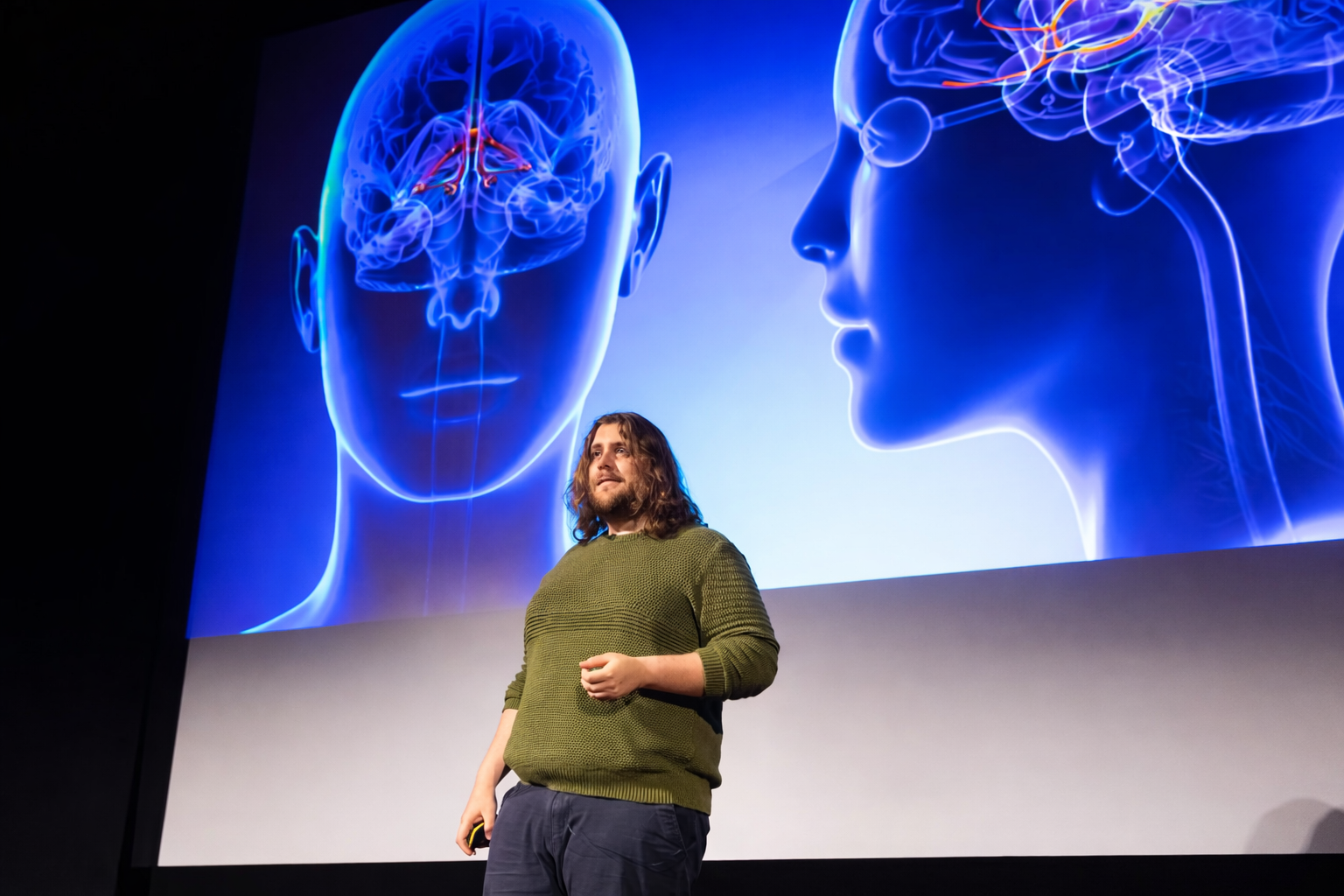
Michael Matania
Founder & CEOMichael spent a decade at the National Mental Health Charity Mind, co-designing national mental health strategy. He was launched the Employer Mental Health Champions Network for Time to Change, , helping individuals start conversations about taboo subjects inside organisations.
That work is the heart of this masterclass.
He brings something the research can't: direct experience of what makes a mental health networks thrive or fade — and why the gap was always design, never the people who stepped up.
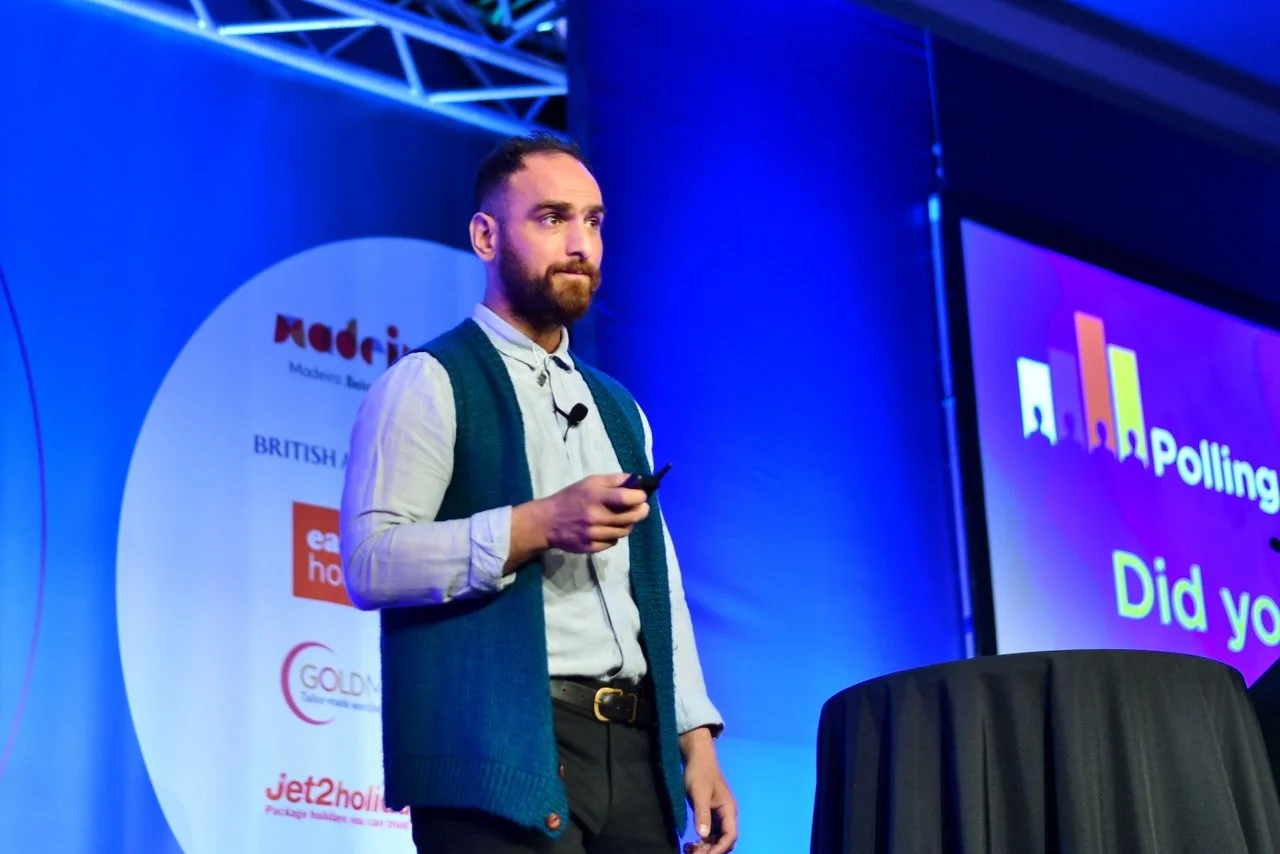
Bilal Nasim
Bilal is a former senior researcher and lecturer at UCL, where he studied the non-cognitive determinants of labour market outcomes — in plain language, what shapes how people perform at work beyond raw intelligence. He has thought long and carefully about how poor mental health shapes employees in the workplace, and how this affects those working alongside them.
He brings to this work his own lived experience of a mental health problems that left him disconnected from himself — and the hard, specific work it took to begin integrating what had been locked away.
Managing DirectorSave your place
Free · 60 minutes · Thursday 29th Oct
15:00 BST.
Mycelium Excellence
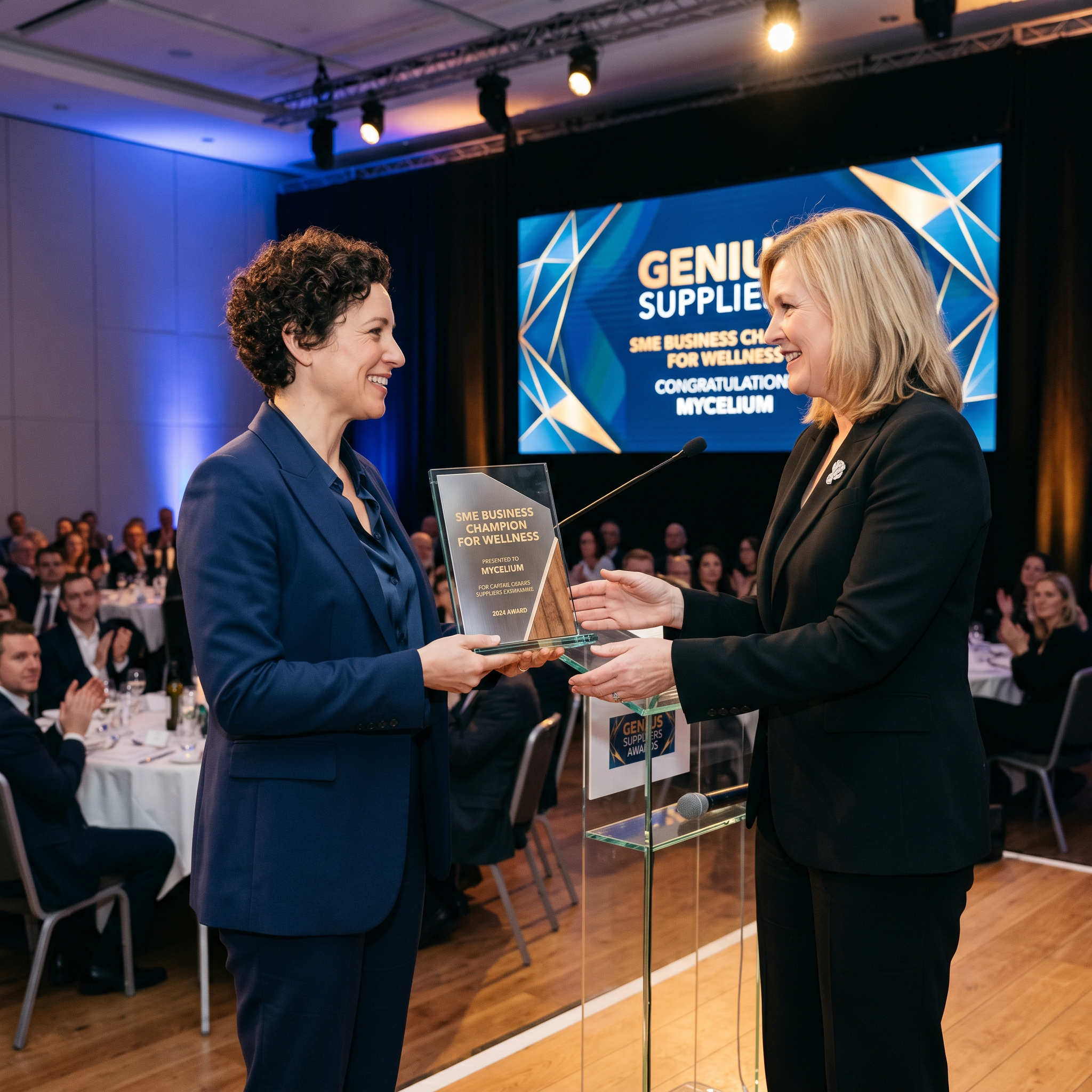
Named SME Business Champion for Wellness by CAPITA, the UKs largest provider of corporate L&D