


Tuesday 16th June | 16.00 BSTWhat The Manosphere Is Doing To Your Organisation Right Now
(and what to do about it)
A 60-minute masterclass for People Leaders who know something is wrong and want to address it
Whats going on?
You've built the programmes. You've opened the rooms. The men aren't walking through the door.
We know how baffling that can feel - when you've put genuine care and resource into this and the men still aren't in the room. It's not a mystery. It's a signal. And once you understand what it's made of, it becomes something you can actually work with.
That's what this is about.
The manosphere is already in your organisation. Not as a fringe concern. As a daily operational reality.
In how certain leaders manage and make decisions - shaped by beliefs about masculinity they have never been asked to examine
In how disengaged men disengage - and the content and communities they are turning to instead of anything you have built
In the growing distance between what your wellbeing or inclusion work is trying to achieve and the men it is failing to reach

Most responses to this problem focus on the influencers, the ideology, the rhetoric. That's the wrong level of analysis. manosphere content is a symptom. This masterclass addresses what's underneath it.
The manosphere didn't appear from nowhere. It’s winning because it turned up. Your organisation hasn't yet.
Who’s bringing this?
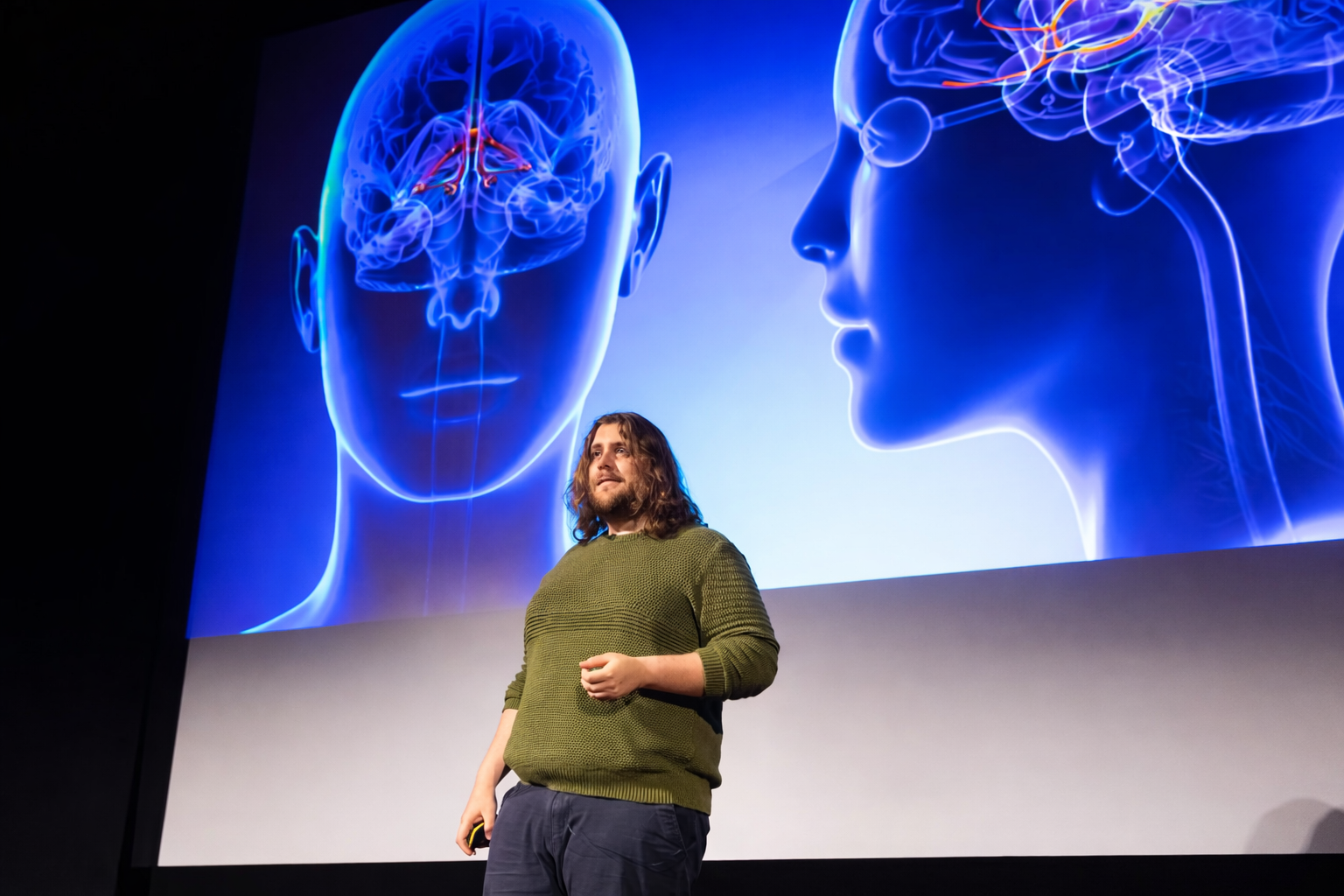
Michael Matania
FounderMichael spent a decade at the National Mental Health Charity Mind, leading national mental health strategy. He was a founding architect of Time To Change — the UK's largest mental health culture change campaign — and led their employer mental health champions network, helping individuals start conversations about taboo subjects inside organisations.
This is exactly that work. Applied to men. Applied to masculinity.
He brings to it something no research could provide: his own journey through the territory — from the sharp end of stage one masculinity, through the overcorrection that followed, to finding a different way of being a man that he is still apprenticing to.
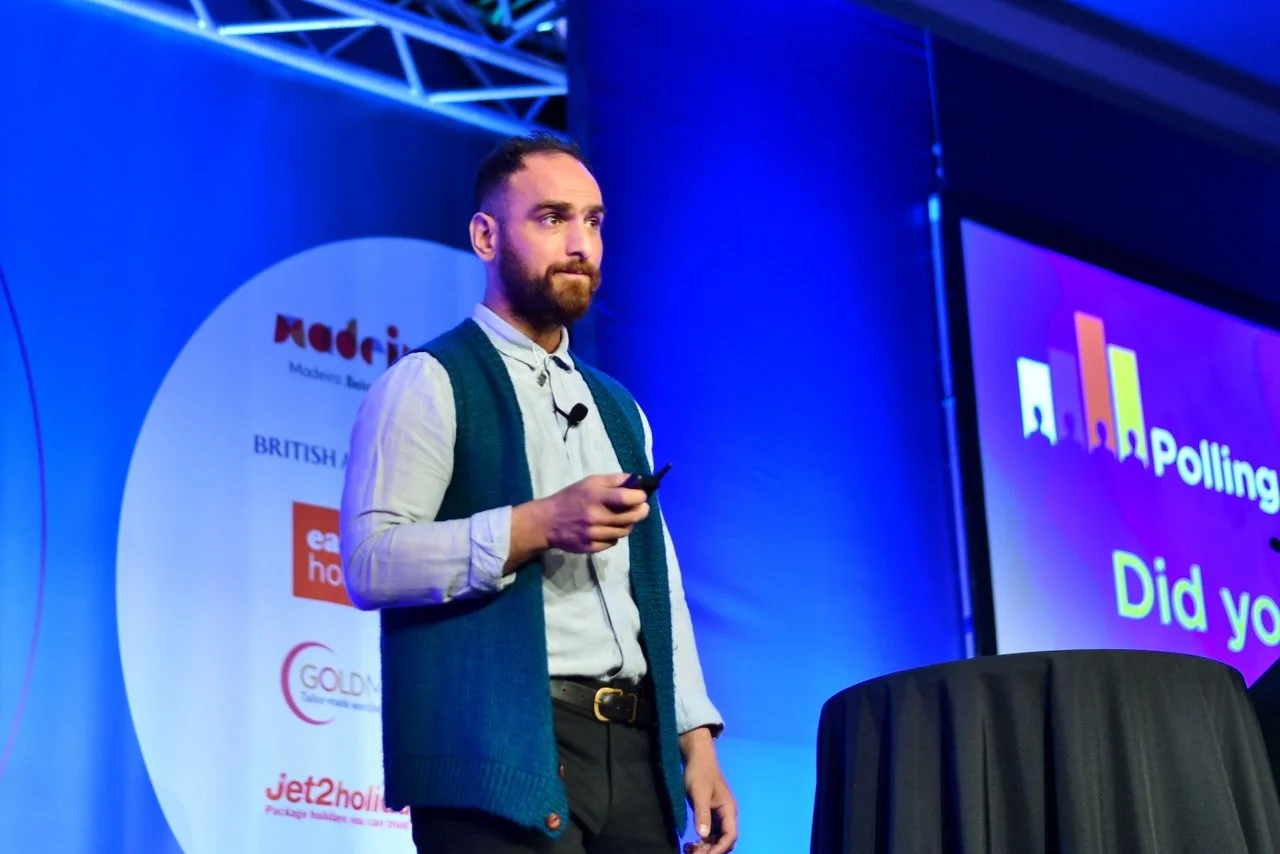
Bilal Nasim
Bilal is a former senior researcher and lecturer at UCL, where he studied the non-cognitive determinants of labour market outcomes — in plain language, what shapes how people perform at work beyond raw intelligence. He has thought long and carefully about how masculinity shapes men in the workplace, and how it affects the women working alongside them.
He brings to this work his own lived experience of a masculinity that left him disconnected from himself — and the hard, specific work it took to begin integrating what had been locked away.
Managing Director
One hour. Here is what shifts.
A precise understanding of why the men in your organisation aren't engaging - not as a vague cultural problem, but as something specific, nameable, and addressable
01
A clear developmental model for masculinity that gives you language you've been missing - and a map you can use immediately to understand the men already in your building
02
The ability to recognise three distinct types of men in your organisation - and know what each one needs from you, from the culture, and from each other
03
An honest picture of what organisations are doing to make this worse - not as blame, but as a precise account of what to stop and what to build instead
04
A direct experience of what a well-held conversation on this topic feels like - and why it changes who walks through the door afterwards
05
And this: the feeling of finally having a framework equal to the complexity of what you've been facing. Of the fog clearing. Of knowing not just that something is wrong but precisely what it is - and that it is addressable.
The people who show up to something like this, at this moment, are rarely a random audience.
They are the people who saw something others haven't seen yet. Who cared enough to choose this over everything else competing for their attention.
That is how movements start.
We'll see you in the room.