


Tuesday 28th June | 11.00 BST
Gathering Dust: Why Your MHFA Network Stalled and What to Do About It
A 60-minute masterclass for People Leaders who trained their mental health first aiders. Then watched most of them go unused.
A capability bolted to the wall, like a fire extinguisher no one reaches for
You did the right thing.
You trained people, in good faith, to support colleagues who were struggling. They volunteered because they cared.
And then, in most organisations, the same thing happened. The training certificate got filed. The poster went up. And the first aiders sat largely unused.
The easy conclusion is that it was a failed investment. That's the wrong conclusion, and it's costing you twice: once in the money already spent, and again in an underutilised group of willing people who now feel like a mistake.
Here's what actually went wrong. MHFA training gave your first aiders one real, valuable skill — how to support struggling individuals once they come forward. But it never gave them the toolkit that makes those people come forward in the first place. And it never gave them the part that lets an organisation read how its people are really doing before it manifests as a crisis. They were handed one-third of a role.
That's not a people failure insofar as its a design gap. And design gaps can be closed. That's what this is about.
What this Masterclass will give you
In 60 minutes, you'll leave with a clear diagnosis of why mental health first aider networks stall - and a credible model for what a 2.0 actually looks like.
Why the investment underdelivered — and why the evidence backs an evolution. The independent research on mental health first aid, and what it really tells you
The three-mode role. The model that turns a dormant group into something that supports individuals and helps your whole organisation see itself clearly.
The two conditions that keep it alive. Why skills alone failed last time, and what will stop MHFAiders running out of steam again.


What to do about World Mental Health Day. Why 10 October is the natural moment to reactivate — and how to make it the ignition rather than another one-off event.

Make World Mental Health Day the ignition, not the event.
Who’s running this?
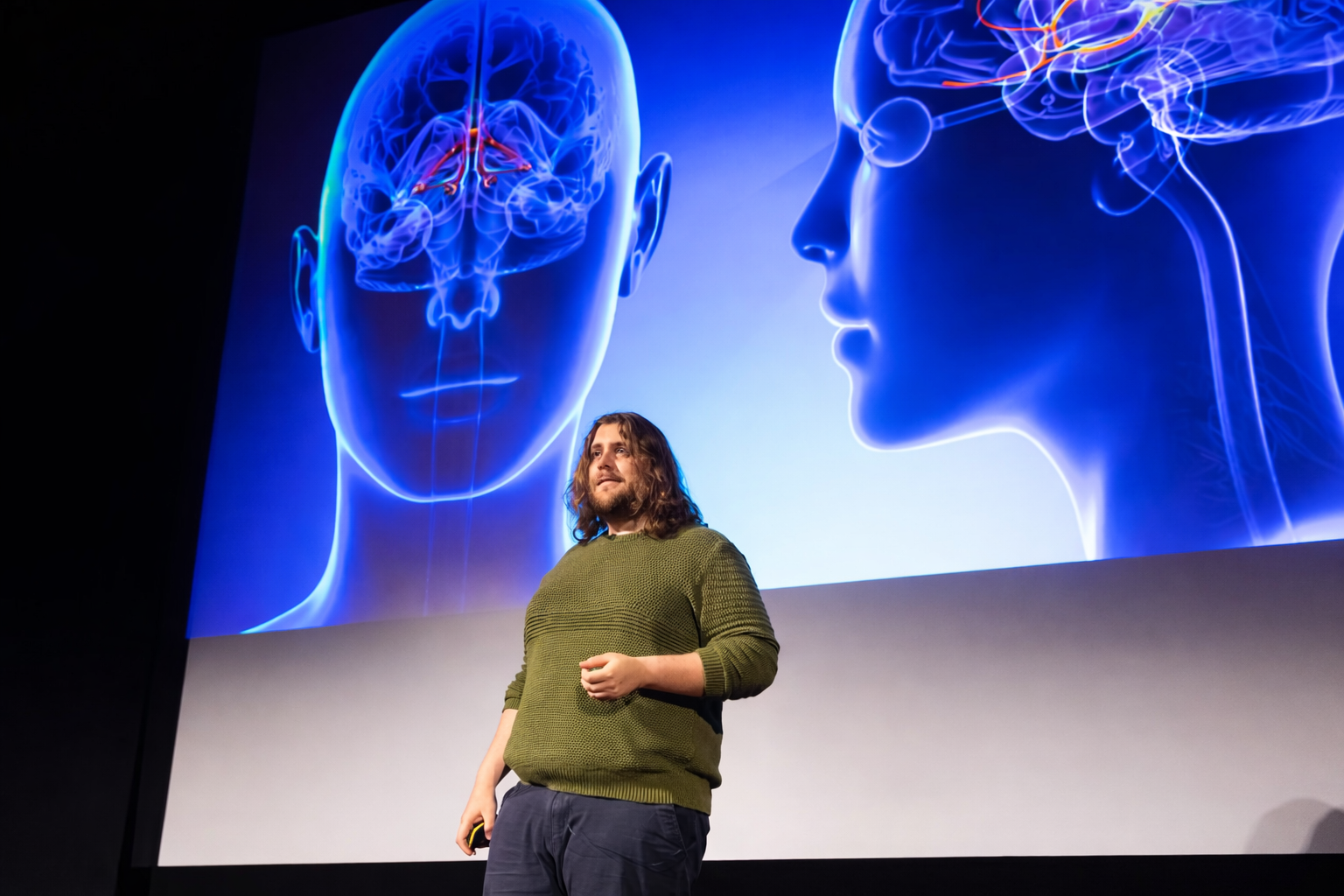
Michael Matania
Founder & CEOMichael spent a decade at the National Mental Health Charity Mind, leading national mental health strategy. He was a founding architect of Time To Change — the UK's largest mental health culture change campaign — and led their employer mental health champions network, helping individuals start conversations about taboo subjects inside organisations.
That work is the heart of this masterclass.
He brings something the research can't: direct experience of what makes a mental health networks thrive or fade — and why the gap was always design, never the people who stepped up.
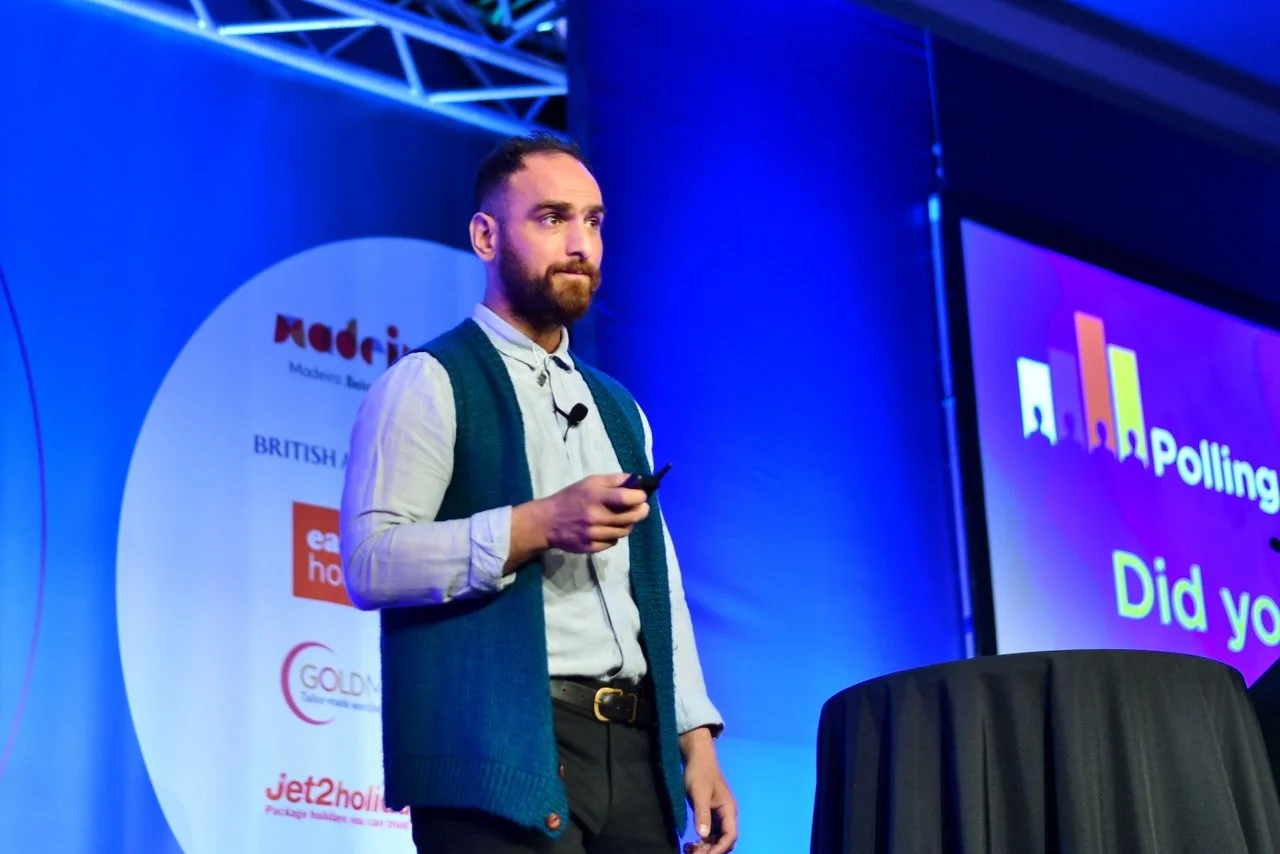
Bilal Nasim
Bilal is a former senior researcher and lecturer at UCL, where he studied the non-cognitive determinants of labour market outcomes — in plain language, what shapes how people perform at work beyond raw intelligence. He has thought long and carefully about how poor mental health shapes employees in the workplace, and how this affects those working alongside them.
He brings to this work his own lived experience of a mental health problems that left him disconnected from himself — and the hard, specific work it took to begin integrating what had been locked away.
Managing Director4.8 stars by 1000 attendees
“The cutting-edge concepts that the team have are testament to their thought leadership around the complexities of workplace wellbeing in companies”
— Craig Redihough, Group Wellbeing & BelongingSky Group
“One of the best presentations I have seen on the integration of of human-centric skills”
— Adrienne Pesseler, Director of Leadership Development eBayEbay
“I would highly recommend Mycelium Masterclasses to anyone fortunate to engage with them.”
— Marion Martin, Head of L&DOFGEM
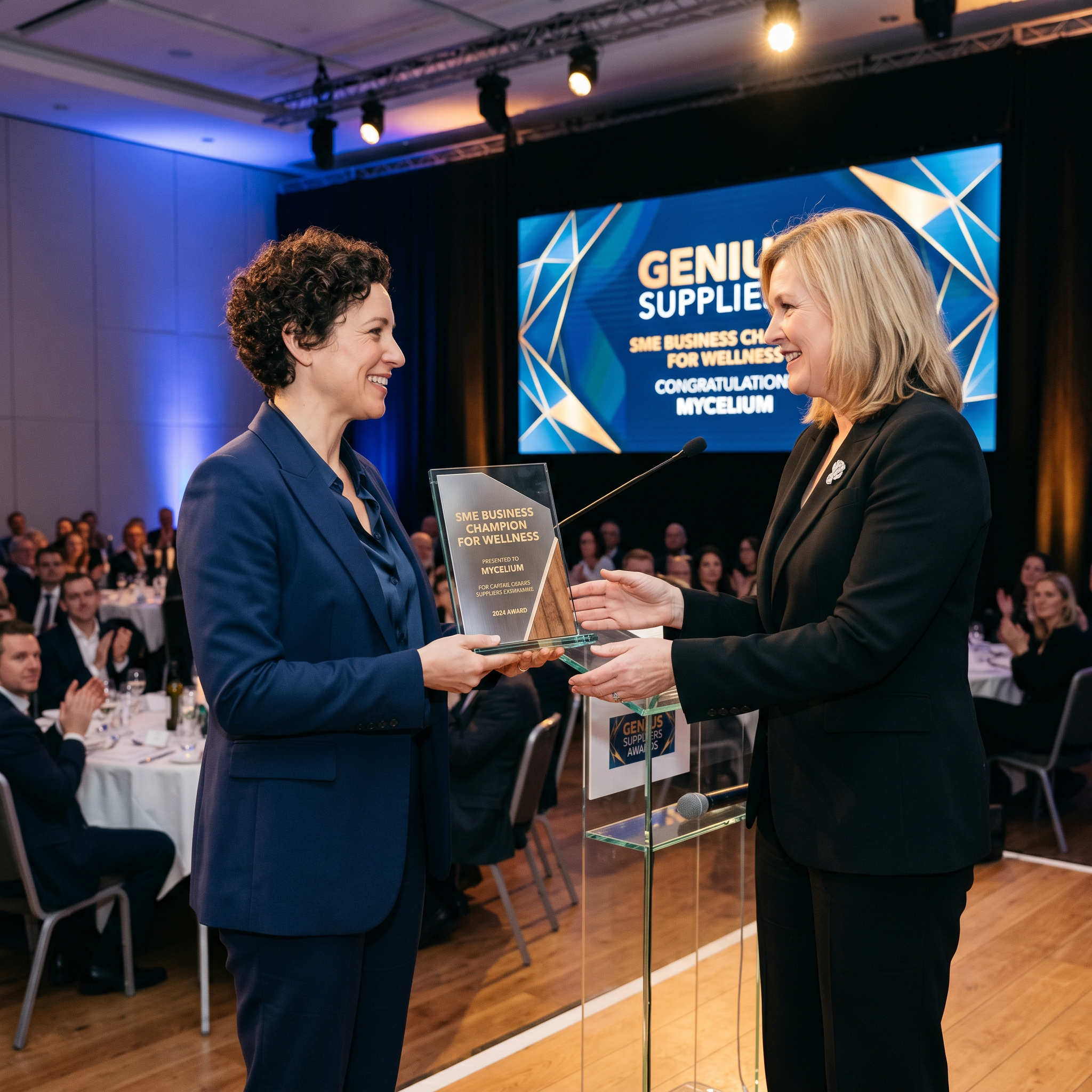
Named SME Business Champion for Wellness by CAPITA, the UKs largest provider of corporate L&D

Before you decide
-
No. It's a teaching session. You'll leave with the diagnosis and the model whether or not we ever speak again.
-
Senior HR, wellbeing, culture and people leaders who've invested in a mental health first aider network — whether it's thriving, stalled, or quietly gathering dust. If you've ever wondered why the investment went quiet, you're in the right room.
-
No. It's specific, evidence-based and built for people who already know this space — including the uncomfortable half of the research most providers won't mention.
-
No. The diagnosis holds whether you're reactivating a network that faded, rescuing one that never quite landed, or building from scratch and want to avoid the same trap. Either way, you'll leave knowing what a complete version looks like.
-
If you've ever looked at your first aider network and wondered why the investment went quiet, you'll leave that hour with a clear answer and a credible way forward.