

MYCELIUM MASTERCLASS SERIES
Tuesday 8th December
15.00 BST
Psychosocial Risk:
Managed, or Missed, by Your Managers
You’ve been treating it as a wellbeing problem. It’s a leadership problem.
The HSE is already enforcing this, it’s already costing you good work and good people, and both come down to how your managers lead.
4.8 stars by 1000 attendees
“The cutting-edge concepts that the team have are testament to their thought leadership around the complexities of workplaces”
— Craig Redihough, Group Wellbeing & BelongingSky Group
“One of the best presentations I have seen on the integration of of human-centric skills”
— Adrienne Pesseler, Director of Leadership Development eBayEbay
“I would highly recommend Mycelium Masterclasses to anyone fortunate to engage with them.”
— Marion Martin, Head of L&DOFGEM
Why this matters now

The duty isn’t new: employers have had to manage risks to health at work since 1999. What’s new is enforcement.
The HSE now inspects psychosocial risk alongside physical risk, using ISO 45003 as its benchmark. It is already serving Notices on employers who fail to manage work-related stress.
A Notice brings required actions and a bill for the inspector’s time. The HSE ran more than 7,000 ill-health inspections in 2024/25.

In an inspection, the question is simple: can you show you manage this risk the way you manage fire safety?
The HSE checks six things: workload, control, support, relationships, role clarity and how change is handled. Stress is just the symptom it counts.
Most senior leaders can evidence physical risk in their sleep, but very few can evidence this. A Notice names the organisation’s failure, and that lands on whoever is accountable.

You’re paying before any inspector arrives. The biggest cost is people who turn up but can’t do their best work.
Deloitte’s 2024 report on poor mental health puts that at £24bn a year. Add 22.1 million lost working days, and £28.5bn a year in workplace conflict (Acas, 2021).
There’s no reliable total, and we won’t invent one. Firms that train their managers see less sickness absence, happier customers and more people staying.
The evidence
22.1 million working days lost in the UK each year - that’s up by roughly a third in one year, and it only counts the visible tip, the stress the regulator records.
- HSE, 2024/25
82% of UK managers have had no formal management or leadership training on psychosocial conditions - most of the people you rely on to manage this risk learned to lead on the job, with no preparation.
- Chartered Management Institute with YouGov, October 2023
Half of people with ineffective manager support plan to leave within a year - support from your own manager is one of the six things the HSE inspects, and this is what is missing.
- Chartered Management Institute with YouGov, October 2023


The Reframe
What you think it is: a wellbeing problem.
You fix it one person at a time, help people cope, offering a support line when things get hard, or training them to look after themselves.
What it actually is: a leadership problem.
The pressure comes from the conditions people work in, and the manager shapes those conditions every day:
Workload and pressure: whether a manager notices when people are overloaded and does something about it, or lets it build until the work suffers and people burn out.
Autonomy and voice: whether people get a real say, and see something happen when they speak up.
Relational climate: whether conflict gets dealt with early, or whether the manager is causing it. A manager or supervisor is behind 40% of workplace bullying.
Clarity and change: whether people know what’s expected of them, and whether they’re led through change instead of having it imposed on them.
What this looks like when it goes wrong

What happened: A major NHS ambulance trust’s own staff survey showed work-related stress was rising, and the HSE picked it out for inspection. Inspectors visited and interviewed staff. They found frontline managers had little contact with their teams and weren’t set up to support them, and that there was a bullying culture in parts of the trust. Its stress risk assessment was generic and wasn’t linked to what was actually causing the stress. When the trust changed how shifts were rostered, nobody went back to the assessment to check the effect. Seven months after the visit, the trust was served a formal Notice of Contravention.
The failure point: The regulator’s finding was about the conditions, not the people: managers weren’t leading their teams in a way that managed the risk, and support for individual staff didn’t count.
The cost: The trust had eight required actions, most with a six-month deadline. Among them, every member of staff had to have a named line manager and regular one-to-ones, people had to be able to finish their shifts on time, and frontline staff needed a direct line to senior leaders. The trust was also billed for the regulator’s time. Three months after the Notice, only one of the eight actions was complete, and the work had become a standing item for its board.
What this Masterclass will give you
In 60 minutes, you’ll leave with a clear diagnosis of why surveys, individual support lines and resilience training don’t meet the duty, and a credible model for managing psychosocial risk where it’s actually carried: in how your managers lead.
The difference between assessing and managing. You’ll see why the staff survey you’ve already run names the risk but changes nothing about how people work day to day, and what the regulator expects you to show beyond it.
The four conditions behind psychosocial risk. These are workload and pressure, autonomy and voice, relational climate, and clarity and change. For each, you’ll see what it costs you when it’s broken and what a manager does differently when it’s well led.
A first read of your own organisation. A live, anonymous self-diagnostic in the room shows where you stand across the four conditions and how your gaps compare with everyone else’s.


A one-pager for your board. A short brief that sets out psychosocial risk as a leadership problem, covering the legal duty, what it’s already costing the business, and the evidence. It’s ready to put in front of your executive team.
Who it’s for
-
you’re a COO, operations director, chief risk officer, general counsel, chief people officer, or the executive named as accountable for this risk. You’re actively working on it, and you have a stake in the outcome, whether that’s meeting the duty, getting the best from your teams, or both.
-
you're shopping around comparing suppliers, or this isn’t close to your role.
-
if you care about this but aren’t the final decision-maker, the session is built for you to carry upward. The reframe travels in one sentence, and so does the readout from the call.
-
this session can show you the map. It can’t show you your own system. That means where the pressure really piles up, whether people raising concerns actually get heard, how well your managers are equipped, and where all of that is costing you most. A self-scored poll isn’t a diagnosis.
Who’s running this?
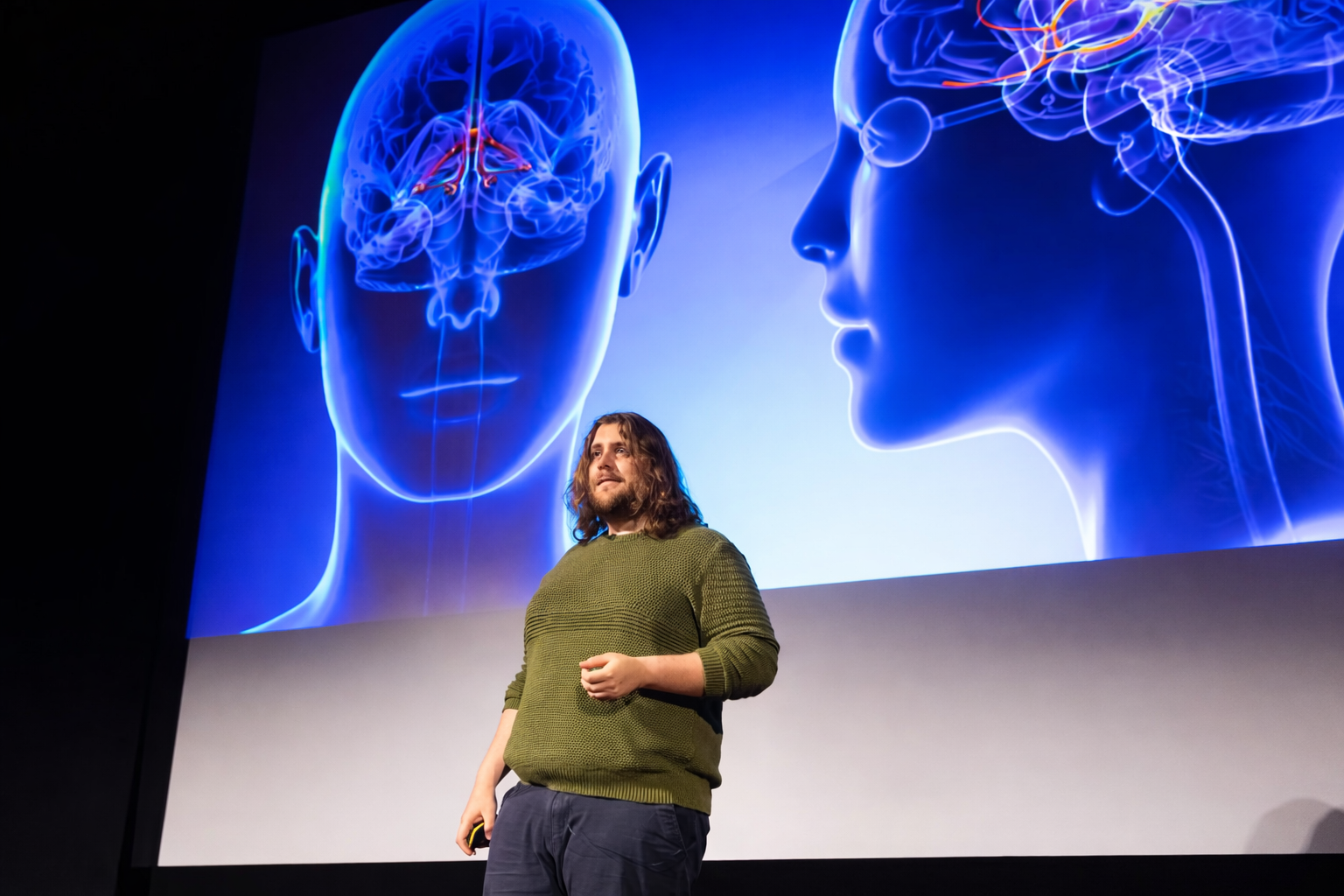
Michael Matania
Founder & CEOMichael spent a decade at the National Mental Health Charity Mind, co-designing national mental health strategy. He was launched the Employer Mental Health Champions Network for Time to Change, , helping individuals start conversations about taboo subjects inside organisations.
That work is the heart of this masterclass.
He brings something the research can't: direct experience of what makes a mental health networks thrive or fade — and why the gap was always design, never the people who stepped up.
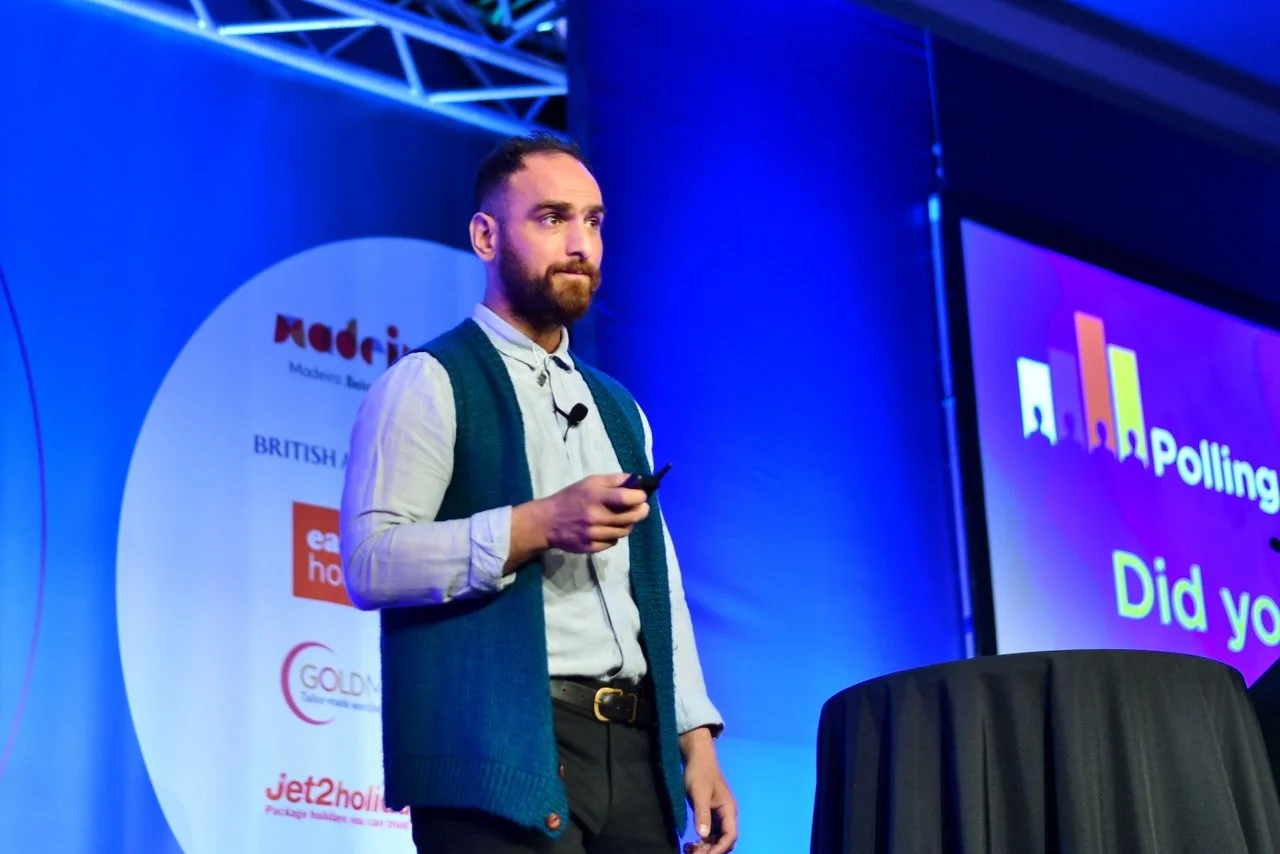
Bilal Nasim
Bilal is a former senior researcher and lecturer at UCL, where he studied the non-cognitive determinants of labour market outcomes — in plain language, what shapes how people perform at work beyond raw intelligence. He has thought long and carefully about how poor mental health shapes employees in the workplace, and how this affects those working alongside them.
He brings to this work his own lived experience of a mental health problems that left him disconnected from himself — and the hard, specific work it took to begin integrating what had been locked away.
Managing DirectorSave your place
Free · 60 minutes · Tuesday 8th December
15.00 BST
Mycelium Excellence
Named SME Business Champion for Wellness by CAPITA, the UKs largest provider of corporate L&D