

MYCELIUM MASTERCLASS SERIES
Tuesday 8th December
15.00 BST
Transformation:
The Human Side
Most transformations don’t fail in the strategy or the technology. They fail when managers and teams have to change how they actually work.
After two years of heavy spending on AI and restructuring, boards want to see a return. This session shows what it takes to get it.
4.8 stars by 1000 attendees
“The cutting-edge concepts that the team have are testament to their thought leadership around the complexities of workplaces”
— Craig Redihough, Group Wellbeing & BelongingSky Group
“One of the best presentations I have seen on the integration of of human-centric skills”
— Adrienne Pesseler, Director of Leadership Development eBayEbay
“I would highly recommend Mycelium Masterclasses to anyone fortunate to engage with them.”
— Marion Martin, Head of L&DOFGEM
Why this matters now

Most organisations are now running several kinds of change at once: AI rollouts, restructures, merger integrations and new operating models.
AI has spread fastest. By late December 2025, 44% of UK businesses with 250 or more staff were using some form of AI (ONS Business Insights and Conditions Survey, January 2026).
Restructuring hasn’t slowed either. A typical reorganisation takes around ten months, and more than half of leaders say productivity falls while it’s happening (McKinsey; executive survey).

The patience for change that doesn’t pay back has run out. Leaders now say openly that buying a tool isn’t transformation, and that redrawing a structure doesn’t change how work gets done.
The money spent over the past two years now has to show a return. There’s also a legal floor under the business case: the HSE recognises badly-managed change as a workplace-stress risk that employers have a duty to manage.
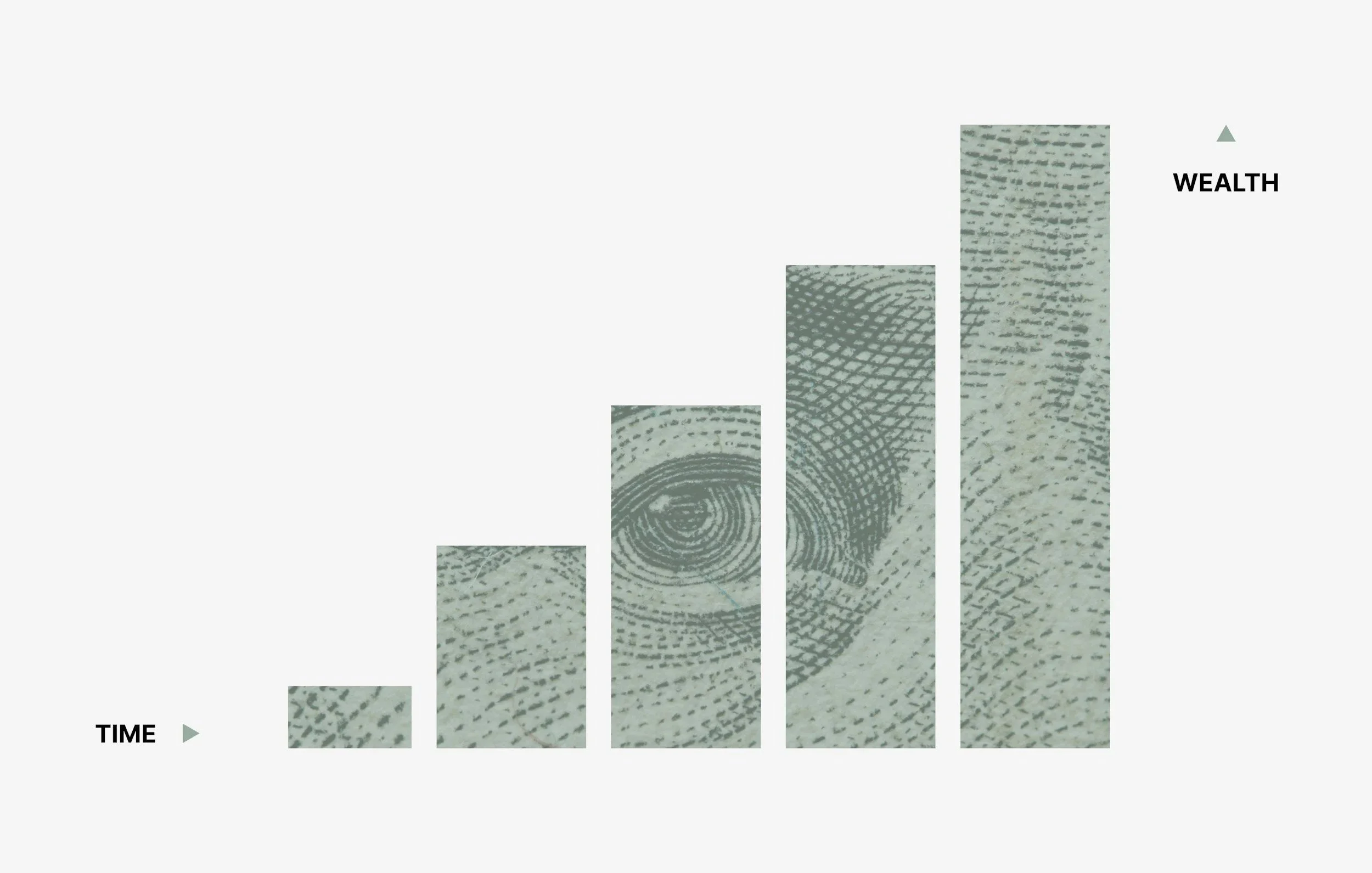
The return so far is thin across every kind of change. More than 80% of reorganisations fail to deliver the value intended in the time planned (McKinsey survey, Harvard Business Review, 2016).
Only 24% of organisations prioritise culture when integrating after a merger (McKinsey).
And enterprises have put an estimated $30–40 billion into generative AI, with 95% of organisations reporting no measurable business return (MIT Project NANDA, July 2025; mostly US sample).
The evidence
Fewer than a third of transformations succeed
The ones that fail capture only about 37% of the value they could have delivered, and even the ones that succeed capture only about 67%.
- BCG/McKinsey, 2026
Only one in four AI initiatives delivers the expected return
Just 25% of AI initiatives have delivered the return CEOs expected, and only 16% have been scaled across the whole business.
- IBM Institute for Business Value, 2025
Failing mergers go unrecognised for up to three years
The warning signs appear within three to six months, but organisations don’t formally recognise the failure until 18 to 36 months later.
- Loeb Leadership, 2026


The Reframe
What you think it is: a technology, structure or communication problem..
You buy better tools, redraw the org chart, send clearer messages, and give people time to adjust.
What it actually is: a leadership problem.
Nobody has been equipped to turn the plan into the new way each team actually works, day to day. Four pillars decide whether that happens:
Transition stress: the change lands on top of the day job, nothing is taken off, and a handful of people end up carrying it.
Change attitudes: people don’t feel the change is theirs to make work, so they wait to be told, avoid taking ownership and have no real say in how it lands.
Relationships and support: managers avoid the hard conversations and aren’t equipped to steer their teams through the ups and downs.
Rapid adaptation: change rolled out once and move on, with no short, safe cycles for trying the new way, learning what works and adjusting as they go.
What this looks like when it goes wrong

What happened: A large UK local authority set out to replace its finance, HR and payroll system, with a budget of about £19 million. Instead of changing how its people worked to fit the new system, it tried to bend the software around its old processes. The staff who would use the system weren’t involved early or properly. Leaders reported an optimistic picture and were reluctant to challenge it, and the system went live in April 2022 with known risks unresolved. The authority then couldn’t produce reliable accounts or track its own cash, roughly £2 billion of transactions were booked to the wrong year, and fraud audit trails were switched off for more than 18 months. It is now rebuilding the system from scratch. In early 2026 it paused the relaunch to give staff more time to adapt to the new ways of working.
The failure point: The organisation paid for a new system but never prepared its people to work differently. Nobody was equipped to turn the plan into the new way each team works day to day.
The cost: The programme’s forecast cost has risen to about £144 million, more than seven times the original budget, and auditors put total losses against expected savings at up to £216.5 million. Over £5 million has gone on staff doing work by hand to get around the system. The failure contributed, alongside equal-pay liabilities, to the authority effectively declaring itself bankrupt in 2023. Five years after go-live, it still doesn’t have a working finance system.
What this Masterclass will give you
In 60 minutes, you’ll leave with a clear diagnosis of why surveys, individual support lines and resilience training don’t meet the duty, and a credible model for managing psychosocial risk where it’s actually carried: in how your managers lead.
The difference between assessing and managing. You’ll see why the staff survey you’ve already run names the risk but changes nothing about how people work day to day, and what the regulator expects you to show beyond it.
The four conditions behind psychosocial risk. These are workload and pressure, autonomy and voice, relational climate, and clarity and change. For each, you’ll see what it costs you when it’s broken and what a manager does differently when it’s well led.
A first read of your own organisation. A live, anonymous self-diagnostic in the room shows where you stand across the four conditions and how your gaps compare with everyone else’s.


A one-pager for your board. A short brief that sets out psychosocial risk as a leadership problem, covering the legal duty, what it’s already costing the business, and the evidence. It’s ready to put in front of your executive team.
Who it’s for
-
you’re a COO, operations director, chief risk officer, general counsel, chief people officer, or the executive named as accountable for this risk. You’re actively working on it, and you have a stake in the outcome, whether that’s meeting the duty, getting the best from your teams, or both.
-
you're shopping around comparing suppliers, or this isn’t close to your role.
-
if you care about this but aren’t the final decision-maker, the session is built for you to carry upward. The reframe travels in one sentence, and so does the readout from the call.
-
this session can show you the map. It can’t show you your own system. That means where the pressure really piles up, whether people raising concerns actually get heard, how well your managers are equipped, and where all of that is costing you most. A self-scored poll isn’t a diagnosis.
Who’s running this?
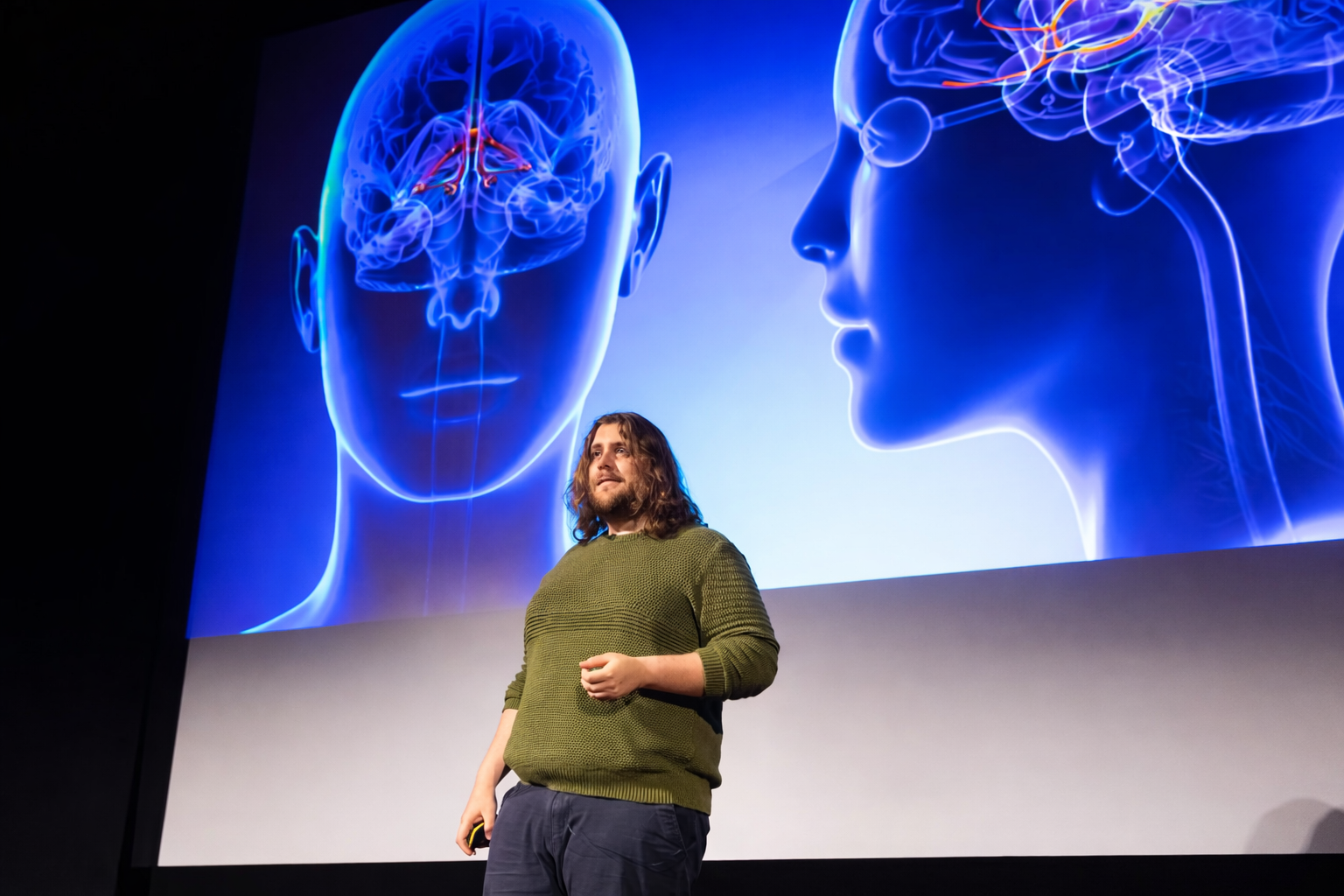
Michael Matania
Founder & CEOMichael spent a decade at the National Mental Health Charity Mind, co-designing national mental health strategy. He was launched the Employer Mental Health Champions Network for Time to Change, , helping individuals start conversations about taboo subjects inside organisations.
That work is the heart of this masterclass.
He brings something the research can't: direct experience of what makes a mental health networks thrive or fade — and why the gap was always design, never the people who stepped up.
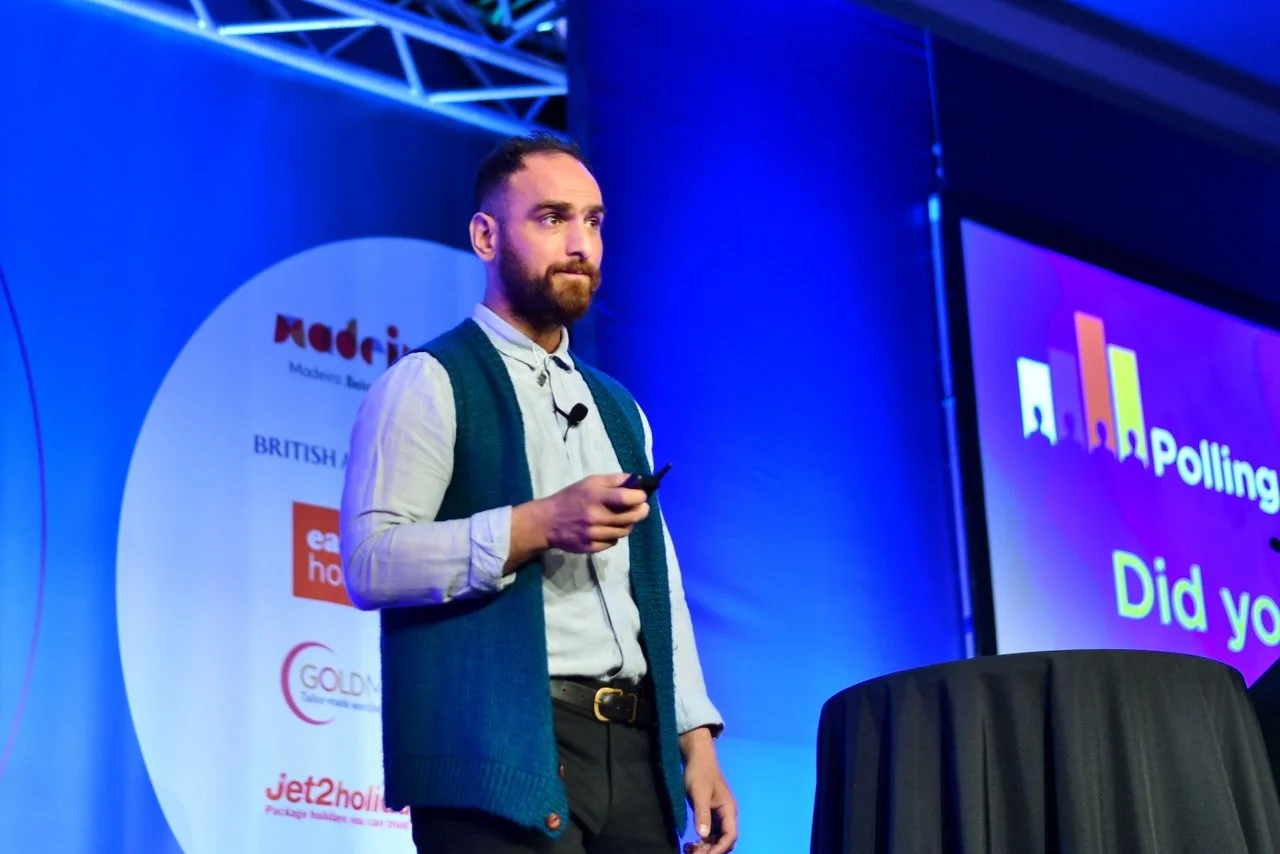
Bilal Nasim
Bilal is a former senior researcher and lecturer at UCL, where he studied the non-cognitive determinants of labour market outcomes — in plain language, what shapes how people perform at work beyond raw intelligence. He has thought long and carefully about how poor mental health shapes employees in the workplace, and how this affects those working alongside them.
He brings to this work his own lived experience of a mental health problems that left him disconnected from himself — and the hard, specific work it took to begin integrating what had been locked away.
Managing DirectorSave your place
Free · 60 minutes · Tuesday 8th December
15.00 BST
Mycelium Excellence
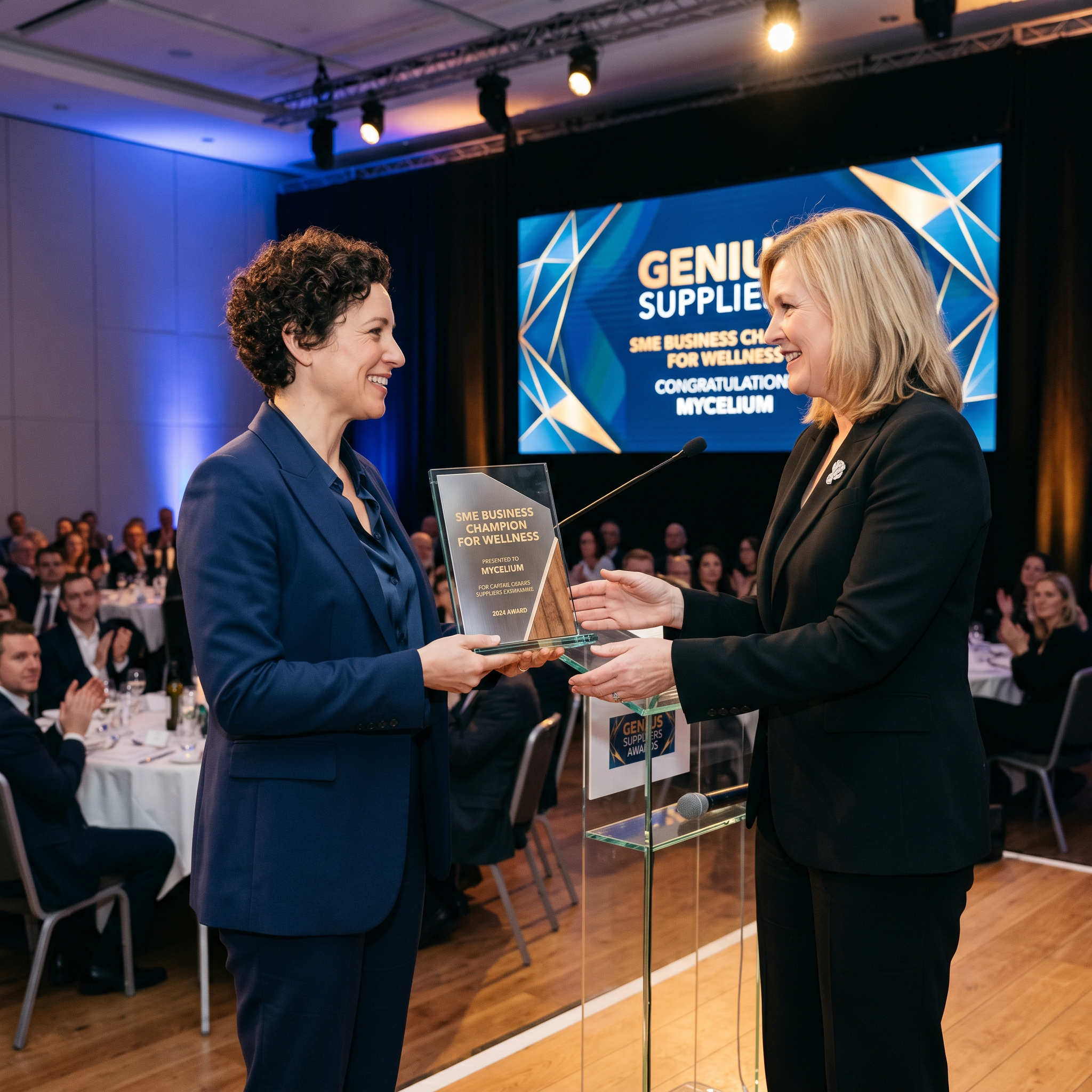
Named SME Business Champion for Wellness by CAPITA, the UKs largest provider of corporate L&D